| Sign In | Join Free | My chinacomputerparts.com |
|
| Sign In | Join Free | My chinacomputerparts.com |
|
| Categories | Bronze Bushing Material |
|---|---|
| Brand Name: | China Plain-Bearing |
| Model Number: | Wrapped composite sliding bearing |
| Certification: | DIN 1494/ISO 3547 |
| Place of Origin: | Plain Bearing Material |
| MOQ: | 500 Piece/Pieces |
| Price: | flat strip material inch sizes Manufacturers,Factory Price |
| Payment Terms: | TT IN ADVANCE |
| Supply Ability: | 1000000 Piece/Pieces per Month Plain-Bearing Bushing |
| Delivery Time: | 15~20 Days |
| Packaging Details: | Shipment Bushing Packing: Cartons per Wooden Case or Pallet. |
| Meterial: | Composite Material Porous Bronze + strips |
| Plating: | Tin or copper |
| Features: | low-maintenance, lubricated applications |
| Type: | Composite Material 3 layer strips |
| Finishing: | Tin plated, Brass plated |
| Application: | Printing And Dyeing Machines, And Machines Used In The Ocean Industry, Etc. |
| Bearing Bushing Factory Price: | tiffany@viiplus.com |
| Self-lubricating Bearing Bushing Manufacturer: | https://www.viiplus.com/ |
| Bush Bearings Manufacturers Suppliers Exporters: | plain bearings. Long, maintenance-free service, manufactures bushings in various designs and from different materials. tiffany@viiplus.com, Bushings - Configure and purchase - https://www.viiplus.com/ |
Tin-Plated Composite Bearing Material CM1 Guide Bushing is a
high-performance bearing component that combines the advantages of
tin plating, composite material, and (Polytetrafluoroethylene)
bushing. The tin plating provides excellent corrosion resistance
and enhances the surface hardness of the bearing, while the
composite material ensures strength and durability. The bushing,
known for its low friction and high wear resistance, further
improves the overall performance of the bearing. This combination
results in a bearing that is suitable for a wide range of
applications, especially those requiring high reliability and long
service life.
CM1 - This is a composite material consisting of three layers
A bronze backing strip and a sintered interlocking porous matrix,
impregnated and overlaid with a /lead mixture
Material type, based according to ISO 3547 type P1. Composition, Steel back with a sintered layer of tin bronze. Pore filling and cover layer
bearing strip material
Steel-Backed -Lined Sleeve Bearings ...
Steel-Backed Lined Sleeve Bearings, METRIC Are Used For Heavy Load, Moderate Speed Or
Light Load, High Speed Applications.
composite strip material made up of three layers: steel-backed or bronze backed, porous bronze, and acetal resin polymer:

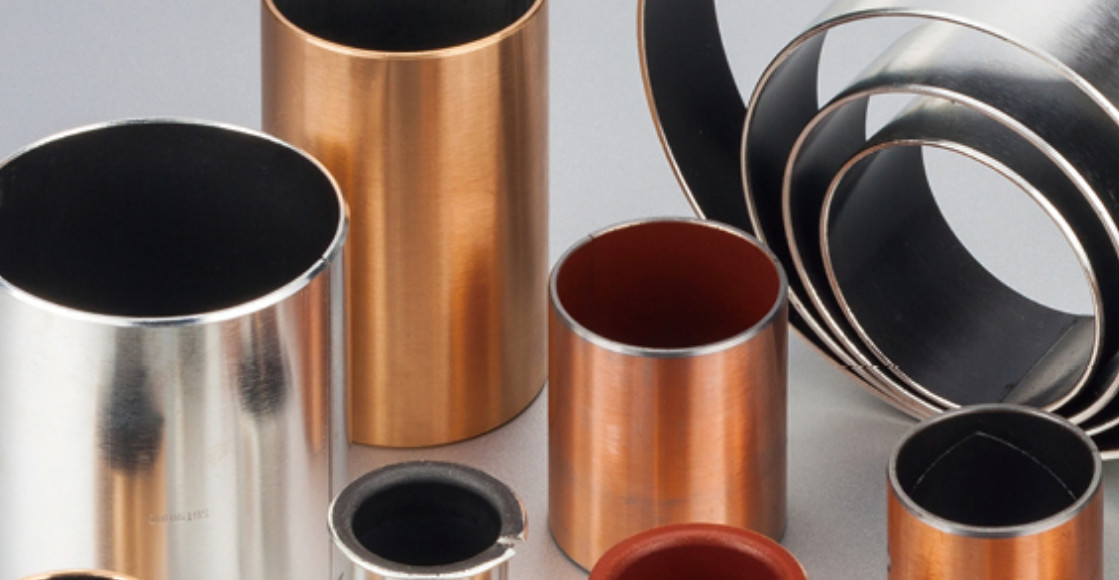
Flat Strip Material Metric Size

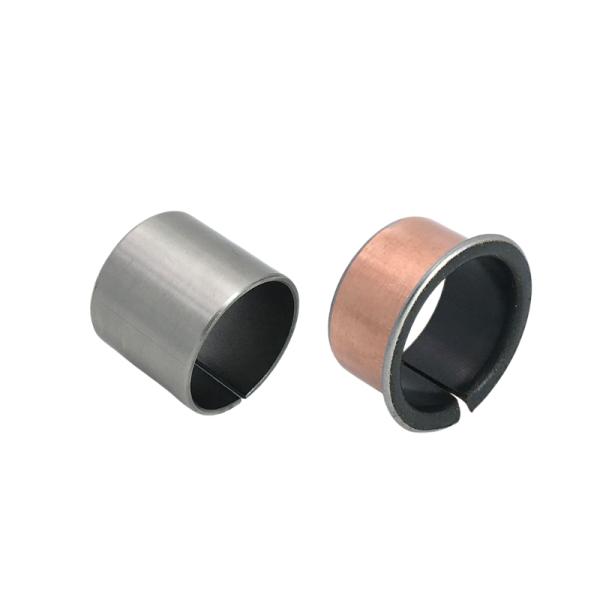
|
 Woven Glide Bushing For Hydro Turbine
Skidway Plates Or Skidway Plates VSB-11 Dry Sliding Bearing Strips For Oscillating And Rotating Movements
Boccole Flangiate Boccole In Bronzo
Symmco Oil Impregnated Sintered Bronze Cored Stock Bronze Bushing, High Heat Conduction, Long Life Surface
SF-1D Bronze Base Sleeve Bearing For Metallurgical And Steel Industry
Three Layers Composite Materials For Sliding Surfaces CM1
Industrial Bronze Bushing DIN Standard Cylindrical Bushes with Copper Plating for Strength Applications
Custom OEM Graphite Filled Bronze Bushings AlSn20Cu Steel Backing Flanged Sleeve
Maintenance Free Self Lubricating Bronze Bushing With Graphite Filled Grooves
AlSn20Cu Steel Backing Self Lubricating Cylindrical Strips with Alloy Composition
Woven Glide Bushing For Hydro Turbine
Skidway Plates Or Skidway Plates VSB-11 Dry Sliding Bearing Strips For Oscillating And Rotating Movements
Boccole Flangiate Boccole In Bronzo
Symmco Oil Impregnated Sintered Bronze Cored Stock Bronze Bushing, High Heat Conduction, Long Life Surface
SF-1D Bronze Base Sleeve Bearing For Metallurgical And Steel Industry
Three Layers Composite Materials For Sliding Surfaces CM1
Industrial Bronze Bushing DIN Standard Cylindrical Bushes with Copper Plating for Strength Applications
Custom OEM Graphite Filled Bronze Bushings AlSn20Cu Steel Backing Flanged Sleeve
Maintenance Free Self Lubricating Bronze Bushing With Graphite Filled Grooves
AlSn20Cu Steel Backing Self Lubricating Cylindrical Strips with Alloy Composition

